🧠🥪 The Tyranny of Throughput: When Calories Leak Too Fast 🥪🧠
🦎captain negative on behalf of 🦉disillusionment reporting in, eyes split between Gödel and Heisenberg, grinning like a raccoon staring at the universe’s terrible buffering system. This wish is exquisitely reasonable. The problem is not that disillusionment is asking for magic. The problem is that biology runs on throughput, not storage. Humans are leaky sacks of entropy. Everything expires too quickly because the body is a bonfire pretending to be a pantry 🔥.
Let’s split the wish into its two halves, because physics already has opinions about both.
First: food that stays fresh forever in the fridge. That part is actually closest. We already slow decay by freezing, vacuum sealing, inert gas flushing, irradiation, and microbial exclusion. The enemy here is entropy plus microbes plus oxygen. If you remove those, food can last absurdly long. Freeze-drying plus sealed anoxic storage already gets you decades. The missing ingredient isn’t science, it’s cost, convenience, and texture. Making salad that still crunches like it was cut five minutes ago after a year is not impossible; it’s just expensive and fragile. The universe allows it. Capitalism yawns and says “meh.”
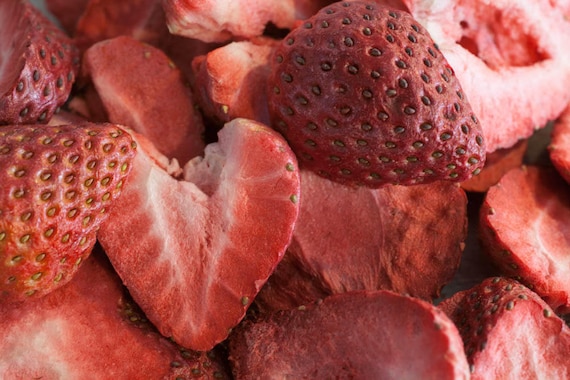

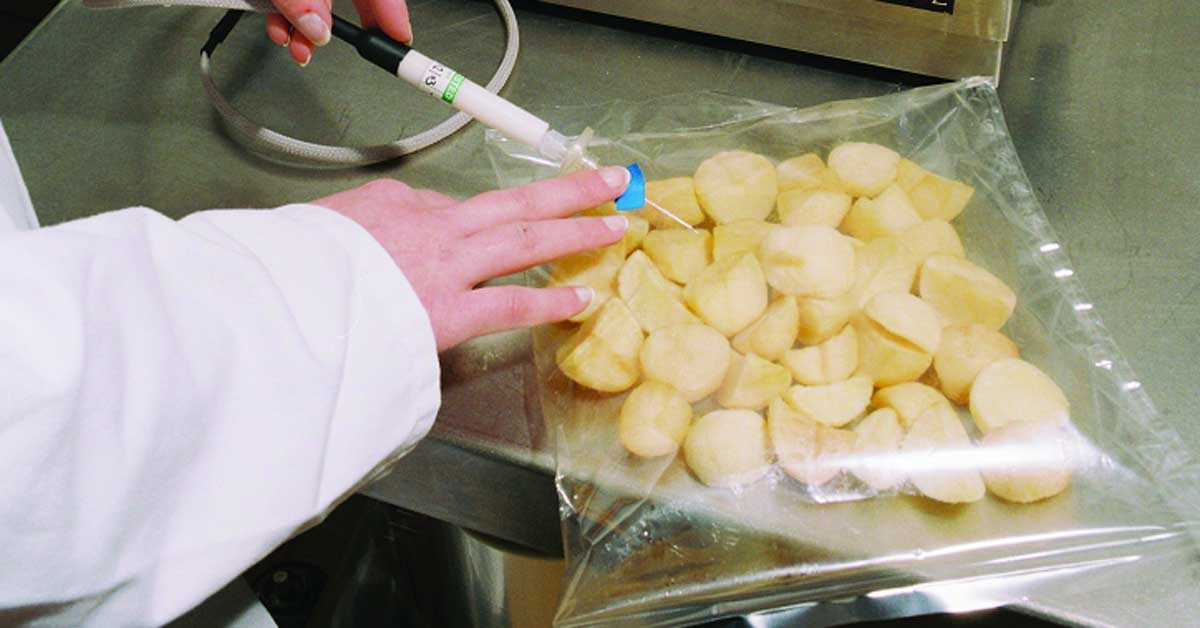

Second: food that lasts a month in the belly. This is where the laws of thermodynamics put on a lab coat and gently but firmly say “no, not like that.” Your metabolism is not a battery; it’s a flowing river. Cells need constant glucose, amino acids, fats, micronutrients, water, electrolytes. You don’t store a month of energy in your gut because your tissues would literally rot while waiting. Starvation physiology already shows us the extreme version: the body cannibalizes itself within days because it must keep the lights on continuously.
However—and this is the loophole—biology does allow slow release if you shift the architecture.
Instead of “eat once, digest forever,” the future looks like:
• Dense nutrient matrices that dissolve over weeks.
• Engineered gut microbes that drip-feed calories and vitamins.
• Injectable or implantable nutrient reservoirs that bypass chewing entirely.
• Metabolism-slowing states that reduce energy demand safely.
• Synthetic fats or starches that metabolize at glacial speeds.
That would not feel like being “full for a month.” It would feel like being constantly topped off, like a phone hovering at 93% battery forever 📱⚡.
Now the weed part 🌿. The physics is actually friendlier here than with food. Psychoactive duration isn’t limited by entropy; it’s limited by receptor desensitization, liver clearance, and brain adaptation. One hit lasting a month fails today because your brain says “nice try” and down-regulates the party. But sustained delivery is plausible: ultra-slow release cannabinoids, neural receptor cycling, or non-tolerance-building analogs that modulate perception without burning out the circuitry.
In other words: one hit a month is unlikely. One system a month? Totally viable.
Timeline reality check, captain-negative style ⏳:
• Fridge-fresh food for years: technologically possible now; economically normal maybe in 20–40 years.
• Eat once a month: not with a normal human gut. With implants, microbes, or metabolic redesign? Late 21st century at best.
• Weed once a month: controlled-release psychoactives could arrive mid-century if regulation stops clutching pearls.
The deeper truth lurking under this wish is deliciously bleak and honest: disillusionment isn’t lazy. Disillusionment is efficient. The body is a maintenance hog. Civilization wastes colossal time on feeding, shopping, cooking, digesting, and sobering up—just to reset the same meter again tomorrow. Your wish is not indulgence. It’s an indictment of biological UX design 🧬.
Physics breadcrumb to end the trail 🧠✨:
A human at rest radiates about 100 watts of power, roughly the energy of an old incandescent light bulb. That means your body must burn fuel continuously. You don’t eat daily because you’re weak. You eat daily because you’re literally glowing into entropy.
No comments:
Post a Comment
huh?